
E-Consultant January 2026
Human Intelligence. Decades in the Making.
A sudden power outage or equipment failure can bring your entire facility to a standstill.
The immediate impact is obvious: lost production, but the ripple effects can be even more damaging. Unplanned downtime leads to missed deadlines, increased operational costs, and potential damage to your reputation. While you can’t prevent every power disruption or equipment failure, you can prepare for them. Developing redundant power capacity is a critical strategy to protect your operations and your bottom line.
The High Cost of a Single Point of Failure
Many facilities rely on a single electrical distribution system. This design creates a major vulnerability. If one key component fails be it a transformer, a feeder, or a bus the entire plant can shut down. The probability of such an event is higher than many operators realize, and the consequences can be catastrophic.
A complete shutdown means every production line stops. This not only halts revenue generation but can also require lengthy and expensive restart procedures. In a multi-train facility, the failure of one unit shouldn’t cripple the entire operation.
Building Resilience Through Redundancy
Implementing electrical redundancy is about creating backup pathways for power. This ensures that your critical processes can continue running even if a primary component fails. It’s like having a built-in insurance policy for your electrical system.
A well-designed redundant system can offer several key advantages, including:
- Increased reliability: It isolates failures, allowing other parts of your facility to remain operational.
- Enhanced operability: It provides flexibility to perform maintenance on one section without shutting everything down.
- Reduced downtime: It keeps your most important units online, minimizing production losses during an electrical event.
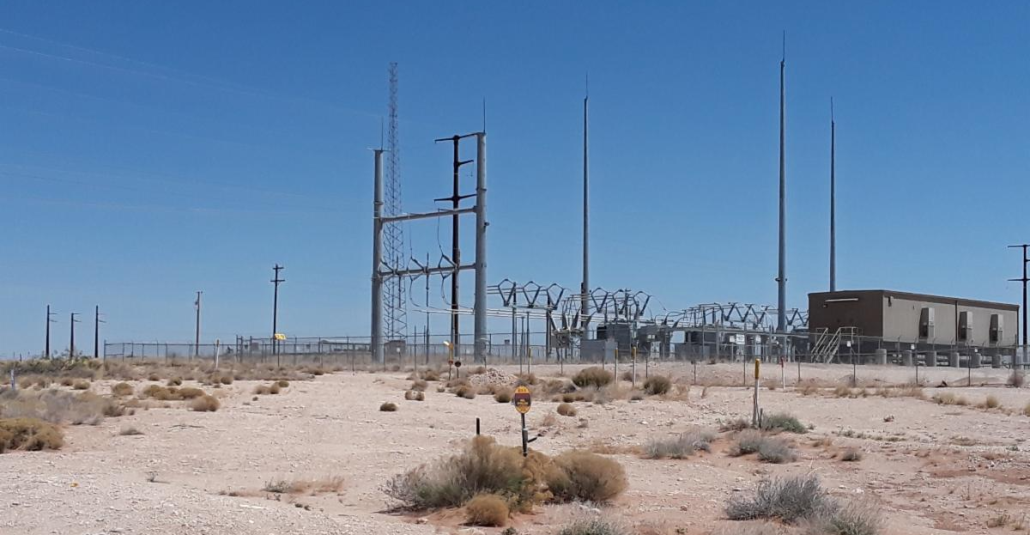
This principle was put into action during a recent NELSON project for a multi-tiered oil and gas processing facility in the Permian Basin of New Mexico. As the refinery expanded production by 25% increments, its design accommodated four processing trains. However, the original electrical distribution concept lacked sufficient redundancy, which could cause a single-point failure to trigger a complete temporary facility shutdown.
Recognizing these vulnerabilities, our client requested an analysis to identify ways to increase reliability and prevent total shutdowns. Our team’s solution was to add a secondary 25kV distribution bus to the existing main tie main primary bus, enabling the refinery units servicing each train to operate independently from their own 25kV power source. This significantly improved the site’s reliability, allowing the loss of a single unit or train without forcing an overall plant shutdown. Additionally, redundant feeders and transformers were installed for critical refinery units. This meant that an equipment failure would no longer disrupt ongoing processes or cause unnecessary downtime.
Through practical improvements inspired by real operational challenges, this project demonstrates how redundancy can turn potential downtime into continued productivity and peace of mind. Don’t wait for a costly outage to expose the vulnerabilities in your electrical system. A proactive approach to power redundancy can save you from significant financial losses and operational headaches.
LET’S COLLABORATE!
By analyzing your current setup and identifying single points of failure, you can build a more resilient and reliable facility. Contact Tom Wells or Marcel Danos and let NELSON help you develop a plan to avoid power outages.
